
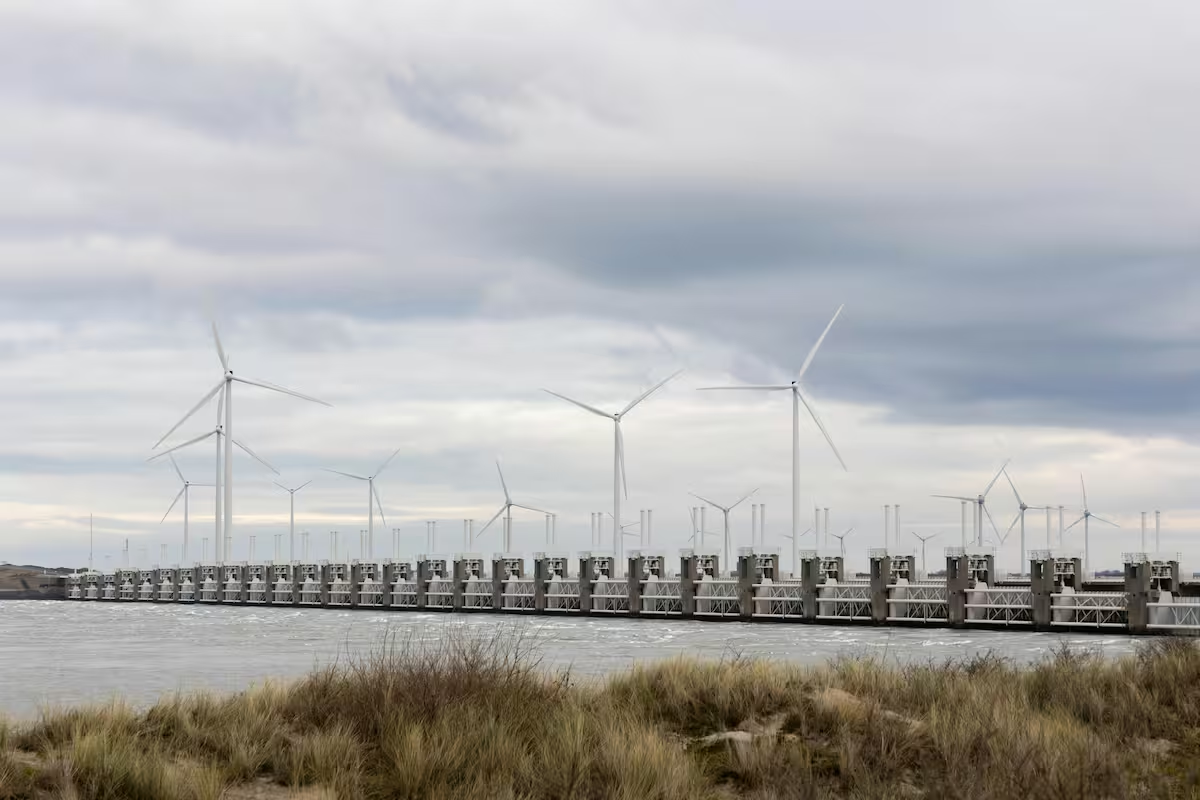
AI Optimization Boosts Efficiency in Ørsted Wind Farms
TechnoVita.net
Introduction: The Challenge of Wind Power
Wind energy plays a key role in the global transition to sustainable electricity. However, operating large wind farms — whether onshore or offshore — comes with technical and economic challenges. Fluctuating wind conditions, mechanical wear and tear, and expensive maintenance make it difficult to maximize energy output and keep costs low. Artificial Intelligence (AI) is now emerging as a powerful solution that helps wind energy operators improve performance, reduce downtime, and enhance operational efficiency.
How AI Transforms Wind Farm Operations
At its core, AI analyzes vast quantities of real‑time and historical data from sensors installed on turbines, weather forecasts, and maintenance logs. By applying advanced machine learning algorithms, operators gain insights that were previously impossible with traditional methods. These insights can be used to forecast wind conditions, adjust turbine settings, and predict equipment failures before they escalate into costly problems.
Predictive Maintenance
Predictive maintenance is one of the most impactful areas where AI adds value. Instead of routine or reactive maintenance (which can require shutting down turbines unexpectedly), AI models continuously monitor sensor data to detect patterns indicative of impending failures. This can significantly reduce downtime and extend the life of key components — which together lower overall maintenance costs. According to industry data, predictive analytics can cut unplanned outages by up to 30–50 % and reduce operational costs by up to 20 %.
Enhanced Energy Forecasting
AI also improves wind energy forecasting. Traditional forecasting relies on historical data and broad weather predictions, but AI models can ingest real‑time local wind speeds, directions, and turbine performance metrics to anticipate how much energy will be generated in the near future. This allows operators to adjust turbine settings dynamically for maximum energy capture and better grid integration. Enhanced forecasting can improve overall energy production by 10–15 % compared to conventional methods.
Operational Efficiency and Resource Allocation
In addition to predictive maintenance and forecasting, AI optimizes workforce and maintenance planning. Algorithms can recommend the optimal timing and type of interventions, allocate technicians efficiently based on real‑time conditions, and even adapt strategies across multiple wind farm sites. This not only cuts costs but also reduces carbon emissions associated with maintenance trips and unscheduled repairs.
Case Study: Ørsted’s Deployment of AI Solutions
A compelling real‑world example of AI in action comes from Ørsted, a global leader in renewable energy. In a strategic partnership with AI software provider SparkCognition, Ørsted is deploying SparkCognition’s Renewable Suite across 5.5 gigawatts of its U.S. wind, solar, and energy storage assets. This implementation illustrates how AI can drive improvements across renewable portfolios at scale.
The AI solution enhances asset performance management by analyzing key operational data, which enables Ørsted to:
- Increase energy production — through more accurate forecasting and turbine tuning.
- Decrease maintenance costs — by prioritizing predictive interventions over routine checks.
- Improve operational efficiency — through real‑time performance monitoring and optimization.
While the deployment covers multiple renewable asset types, its impact on wind operations underscores how AI helps smooth the variability of wind conditions and aligns production with grid demands. By automating insights that were once manual and slow, Ørsted positions itself to extract more value from existing infrastructure while reducing lifecycle costs — a powerful advantage in the competitive renewable energy market.
Broader Impact: AI and Sustainable Energy Systems
Beyond individual operators like Ørsted, AI’s role in the wind sector contributes to broader sustainability goals. By boosting energy output and optimizing operations, AI helps wind power become more cost‑competitive with fossil fuels and other energy sources. Additionally, reduced maintenance needs translate into fewer logistics emissions and more predictable energy supply, which supports grid stability in regions with high penetration of renewable energy.
Challenges and Opportunities Ahead
Despite the advantages, AI integration in wind energy is not without challenges. Data quality and sensor coverage remain vital for model accuracy, and integrating AI with legacy turbine systems can be complex. Regulatory issues around data access and ownership also require careful navigation. However, ongoing research — for example into digital twins and edge computing — continues to expand AI’s capabilities in wind energy optimization.
Conclusion: Powering the Future with AI and Wind Energy
AI‑driven optimization is helping wind energy operators like Ørsted unlock hidden efficiency gains and reduce maintenance costs. By harnessing machine learning for predictive maintenance, dynamic forecasting, and strategic planning, AI not only strengthens operational performance but also accelerates the transition to renewable, sustainable energy systems. As AI technology continues to mature and adoption grows, its contributions will be crucial to scaling wind power globally — making cleaner energy both more reliable and more cost‑effective.
You can read all comments, but you must log in to post or reply.
No comments yet. Be the first to react!