
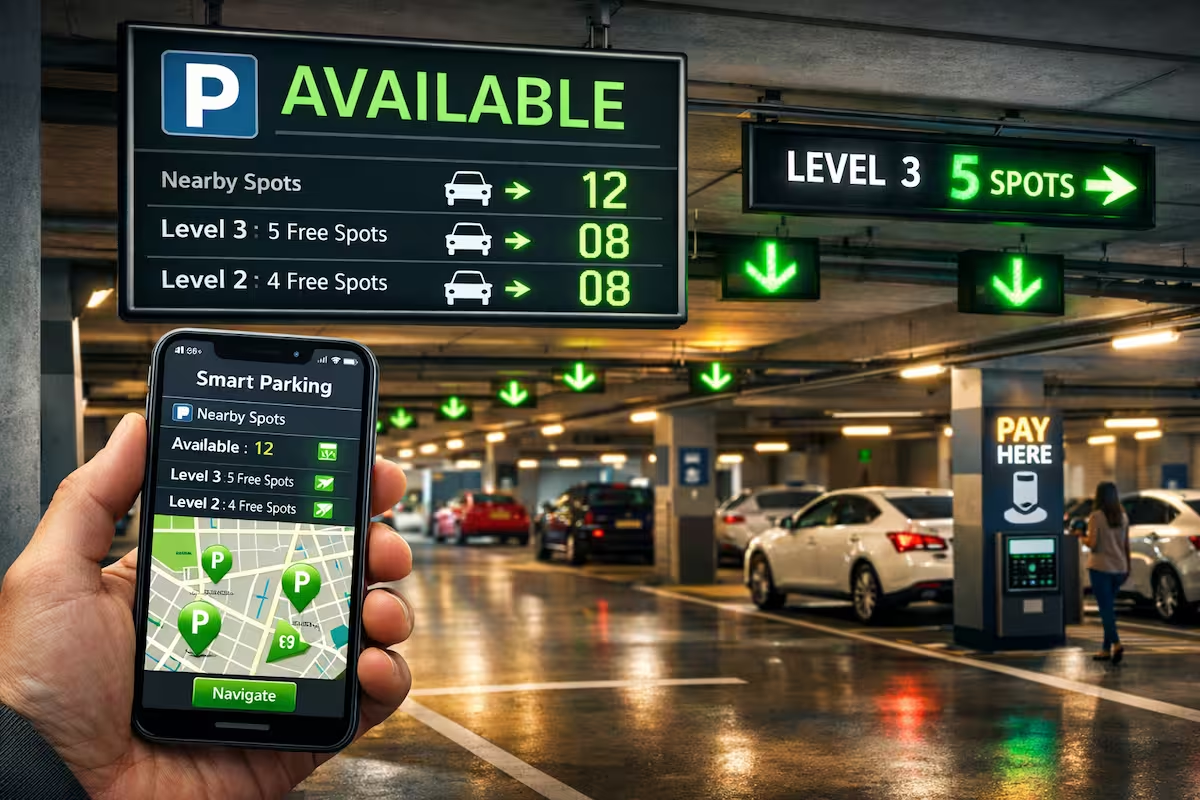
Smart Parking Systems: Real-Time Solutions for Urban Mobility
TechnoVita.net
Finding a parking space in busy cities is often a frustrating and time-consuming experience. Drivers may circle around for minutes or even hours, contributing to traffic congestion, stress, and air pollution. Smart parking systems offer an innovative solution to this problem by using real-time data to guide drivers directly to available parking spaces. As part of the broader concept of smart mobility, these systems improve efficiency, sustainability, and the overall urban travel experience.
What Are Smart Parking Systems?
Smart parking systems are technology-based solutions that monitor parking availability and provide real-time information to drivers. Sensors installed in parking spaces or garages detect whether a spot is occupied or free. This data is then transmitted to digital platforms such as mobile apps, navigation systems, or electronic signs. Drivers can instantly see where parking is available, reducing unnecessary driving and guesswork.
How Real-Time Parking Information Works
The core of smart parking lies in real-time data collection and communication. Sensors, cameras, or license plate recognition systems continuously update the status of parking spaces. Cloud-based software processes this information and makes it accessible to users within seconds. Some systems also offer features such as parking reservations, digital payments, and navigation assistance to guide drivers to the selected parking location.
Benefits for Drivers and Cities
Smart parking systems provide clear benefits for both individual drivers and cities. For drivers, they save time, reduce fuel consumption, and lower stress levels. Knowing exactly where to park makes trips more predictable and convenient. For cities, reduced search traffic leads to less congestion and lower emissions. Municipalities can also use parking data to improve urban planning and manage parking demand more effectively.
Environmental and Economic Impact
By minimizing the time spent searching for parking, smart parking systems help decrease carbon emissions and improve air quality. Fewer vehicles circling city centers means less noise pollution and lower energy use. Economically, smart parking can increase parking space efficiency and generate higher revenues through dynamic pricing and improved enforcement. Businesses also benefit, as easier parking access attracts more visitors.
Challenges and Considerations
Despite their advantages, smart parking systems are not without challenges. Installing sensors and digital infrastructure can be expensive, especially for older cities. Data security and privacy must be carefully managed to protect users’ information. In addition, systems should be designed to be user-friendly and accessible to ensure that all drivers, including those less familiar with technology, can benefit.
The Role of Smart Parking in Future Cities
As cities continue to grow, smart parking will play an increasingly important role in urban mobility strategies. Integration with navigation apps, electric vehicle charging stations, and mobility platforms will further enhance their value. In the future, smart parking systems may also support autonomous vehicles by enabling seamless, automated parking processes.
Conclusion
Smart parking systems that show available parking spaces in real time are a practical and effective smart mobility solution. They reduce congestion, improve sustainability, and enhance the daily experience of urban travel. While challenges remain, the continued development of smart parking technology will contribute significantly to smarter, cleaner, and more livable cities.
You can read all comments, but you must log in to post or reply.
No comments yet. Be the first to react!